Planning for Water

Today we traveled!
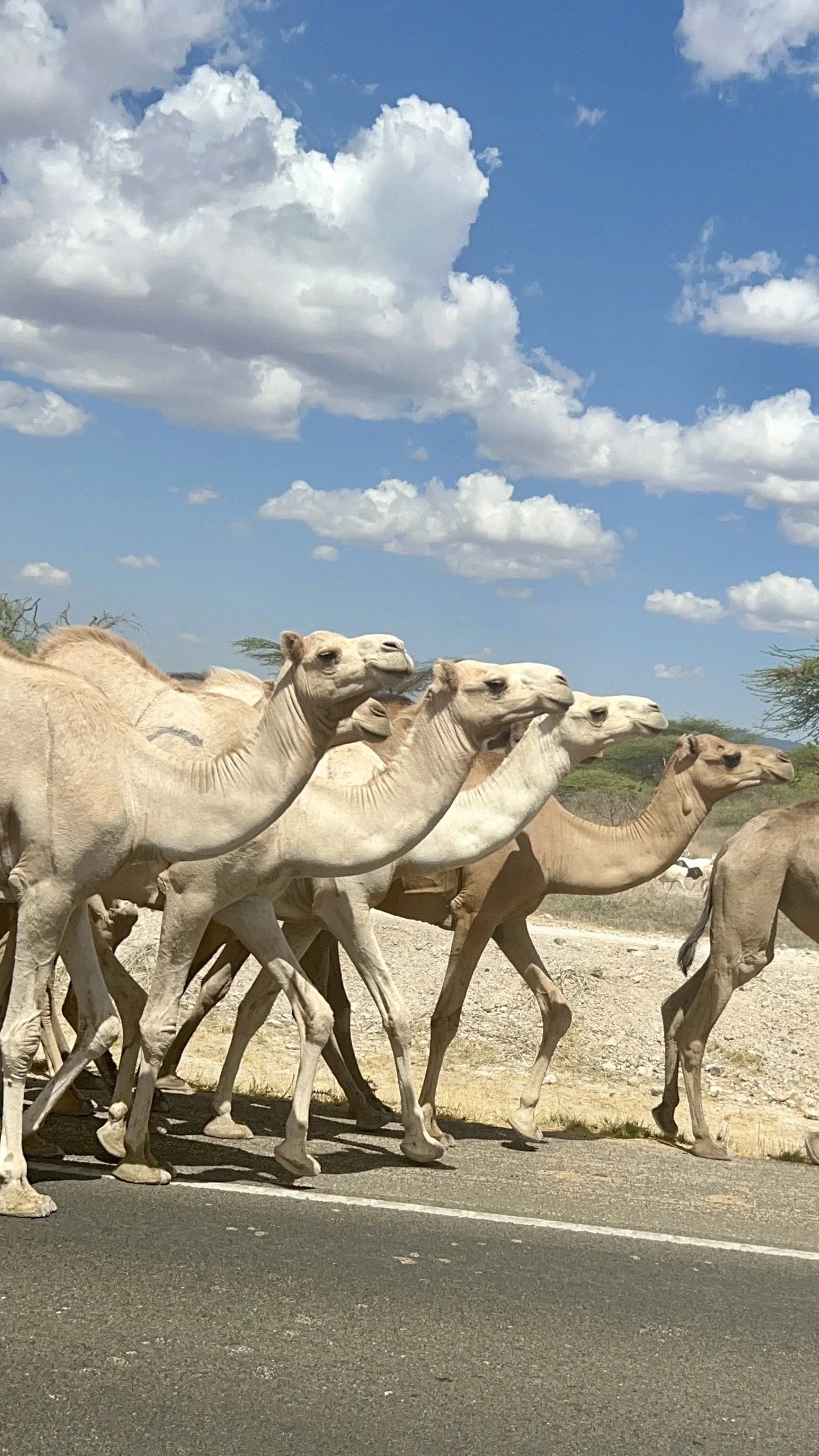
We left our guest house in Kitui, in the Eastern part of Kenya, and traveled North on the slopes of Mount Kenya (elevation 17,060 ft) and then arrived in the arid region of Isiolo. It took over 6 hours, which made lunch late, but very good.
We traveled far north to visit the community where we will partner with Africa Exchange to build an Integrated Child Development Center. We will spend all day in the village tomorrow so I’ll have more to say about the community in my next post.
Here’s what I am thinking tonight after a long drive through various terrain and tribal communities on our journey here: WATER.
I take water for granted. I live my life expecting clear, dependable water to magically appear every time I turn on a faucet in my home.
As the Kenyan landscape slipped past the back window of the ministry’s black Isuzu truck, I kept noticing scenes shaped by water.
Yesterday, the Ulungu committee spoke glowingly of their 800-foot deep borehole well, its solar-powered pump, and their opportunity to sell water to the community to support the school. This water is not perfect, though; it has a higher-than-normal salt content. Still, it is water in a dry community.
In spite of some high mountain portions of Kenya that receive rain throughout the year, most of Kenya survives on 2 rainy seasons - a shorter season (2 weeks) in late October/November and a longer season in April and/or May. Throughout our drive, I saw many subsistence farmers preparing the dark red dirt in their ace plots for the coming rains.
In the dryer communities in the East, we passed donkey after donkey along the road carrying jugs of water back to the family’s home from the community’s water source. Rather than turning on a faucet, these families have to plan for water. Also in these communities, we saw commercial water trucks that bring water to communities and families who have no dependable water source. If we passed over a bridge here, we only saw dry rocks, not water. Because of this, these communities tend to be poorer.
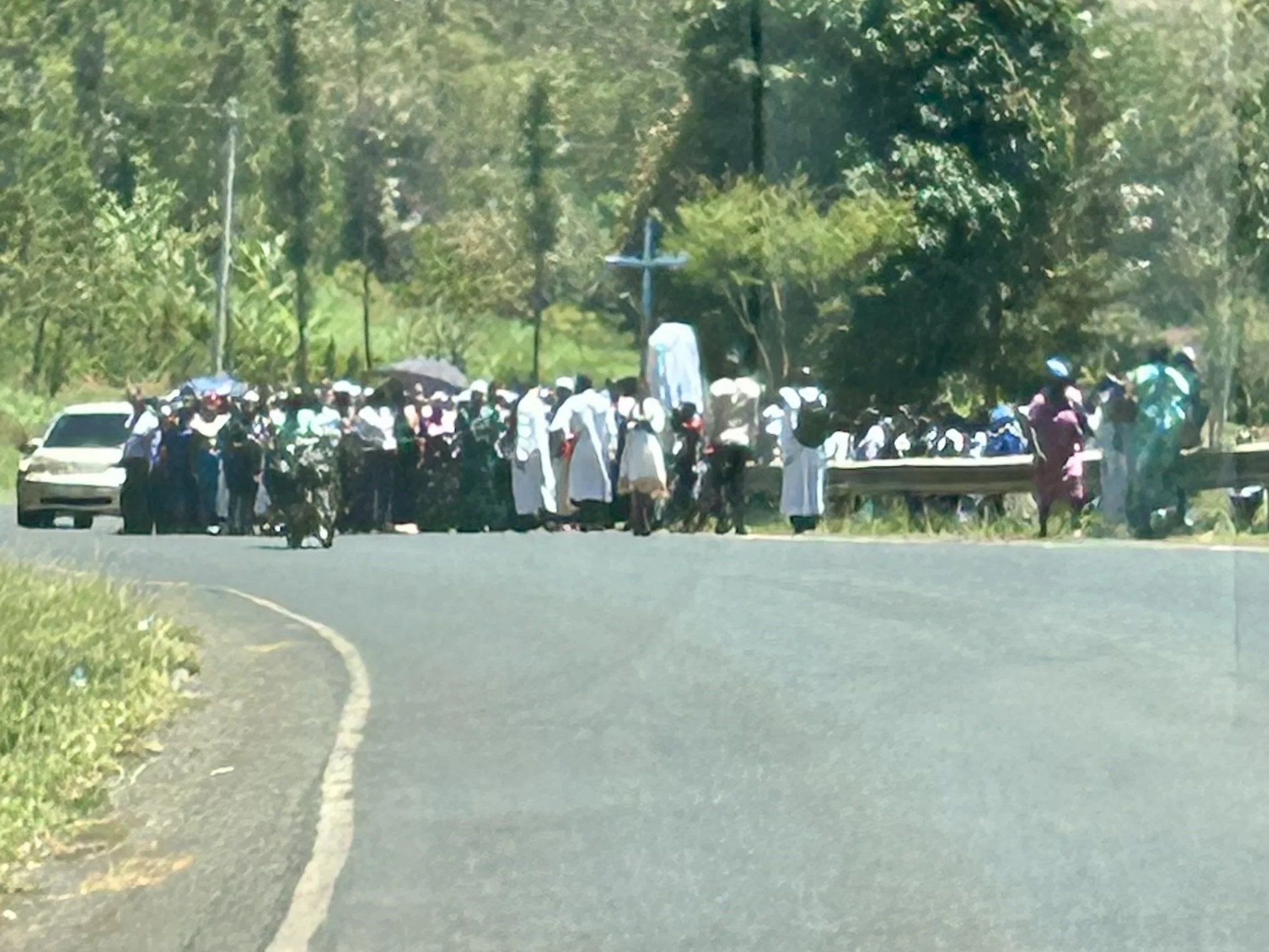
When we arrived at the slopes of Mount Kenya, the communities changed. In these communities, we passed over many streams and rivers coming from the rain and snow on Mt. Kenya. I saw boys using a net to fish in a stream. I saw rapids. This water gives life to the economy. We passed through several market days where many people were selling and buying. We passed tea fields and banana groves and picked bananas on the side of the road, prepared to be bought, picked up, and taken to Nairobi to be sold. These communities and small towns are much more alive, vibrant, and stable than the ones with donkeys carrying water home.
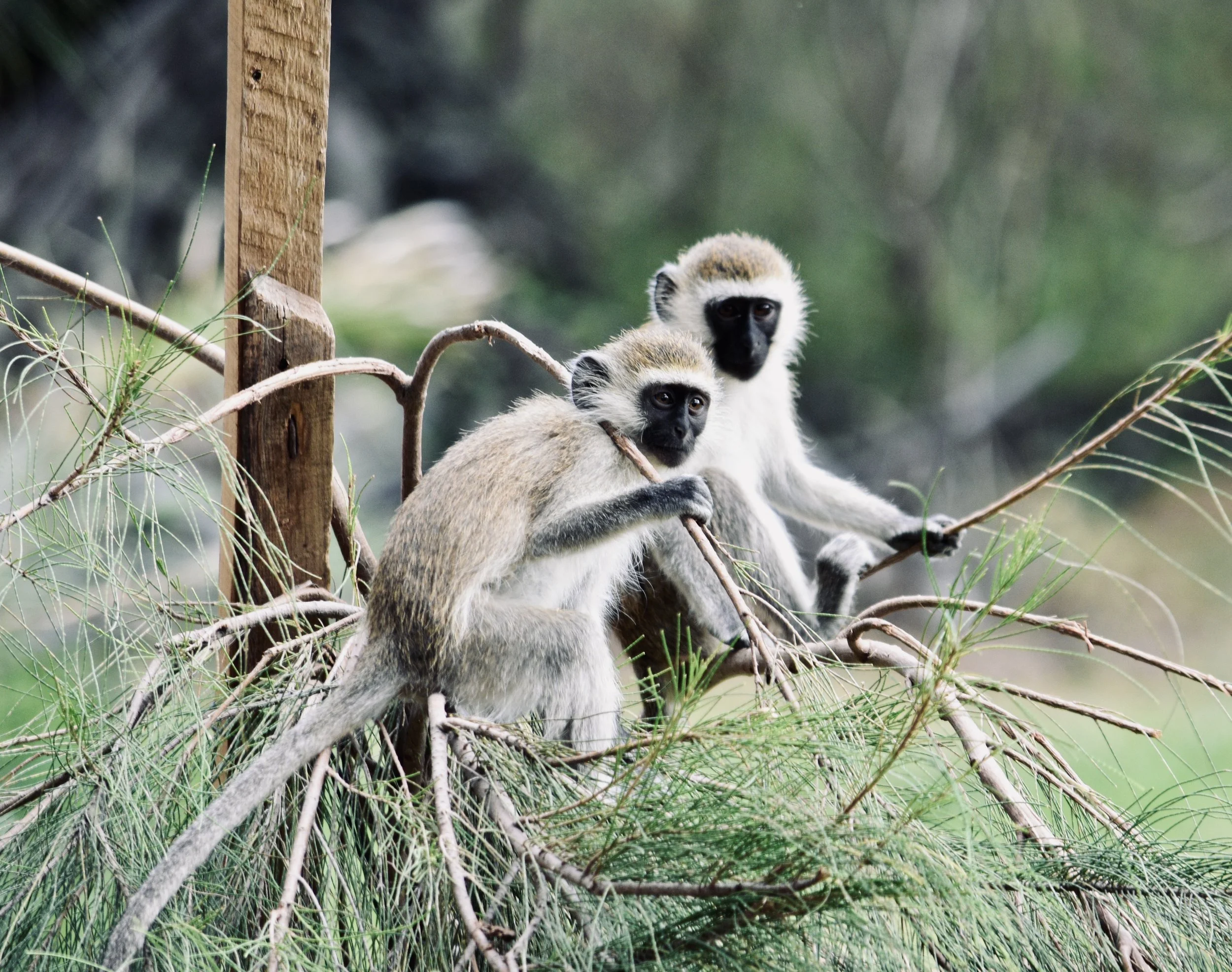
Finally, tonight we went on a brief game drive before supper in the Shaba National Reserve. The Ewaso River runs through this arid land, originating on the slopes of Mt. Kenya. The water keeps the animals in this park alive. We saw several types of antelope, gazelles, and the rare Grevy’s zebra. It was a good night after a great day.
Tomorrow is the day I’ve been most excited about. When we visit the village, we will spend time with the leaders, families, children, and visit homes. I look forward to seeing how our investment in this community with our money, time, and efforts will impact generations of children and families. I wonder which child I’ll meet tomorrow who will be the first person in their family to graduate from the university. How very exciting.
I’ll leave that until tomorrow,
Eric