
Connections
Tuesday, October 14, 2025
When I typed today’s date, I remembered. Today would have been my dad’s 86th birthday. He died 20 years ago and I still remember him most days. I was at a CBF tri-state meeting the first of the month and loved connecting with pastors in Georgia who still remember him. It is always a gift to me to know his ministry and life carries on.
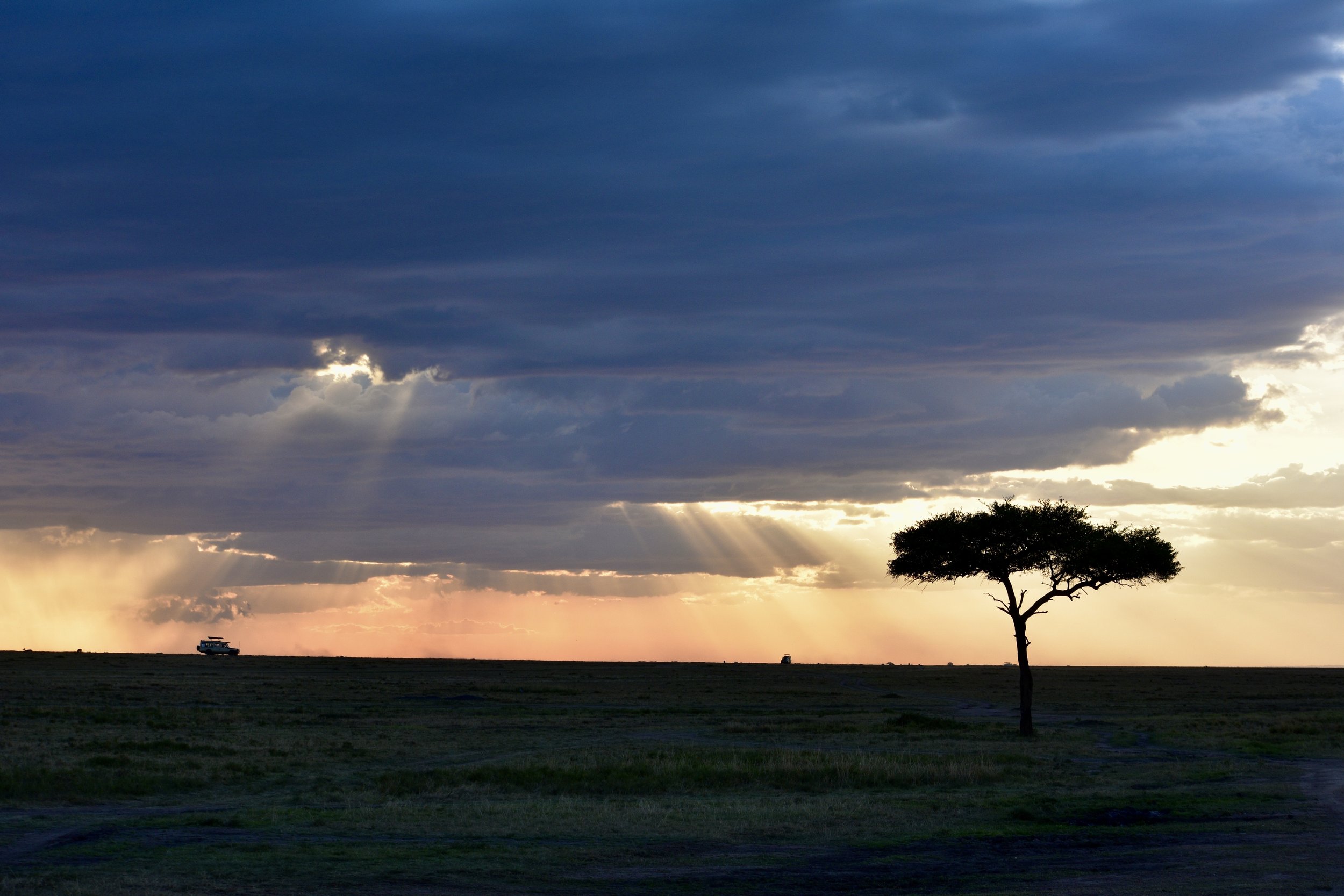
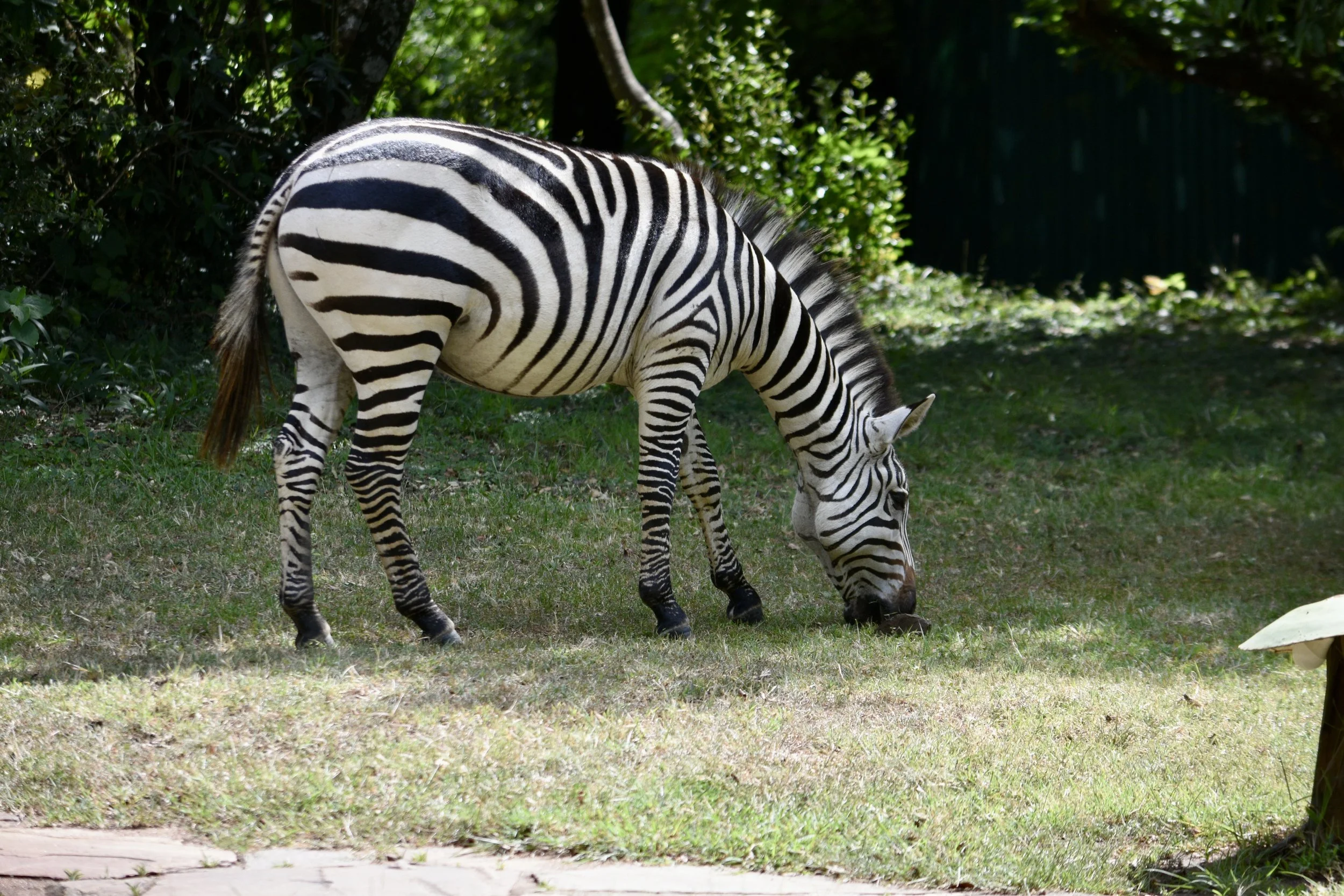
Today, we are staying at the Sekenania Camp inside the Maasai Mara area of Kenya. People come from around the world to go on Safari in this region. We are staying in luxury tents - running water, bathtubs with hot water. To my surprise there are no fences around this camp. This afternoon I spent time with a herd of zebra behind my tent. This is a moment I’ll never forget.
Sam did offer us a few animal noise imitations at lunch just in case we hear a few unknown noises during the night. I’ll see what I hear!
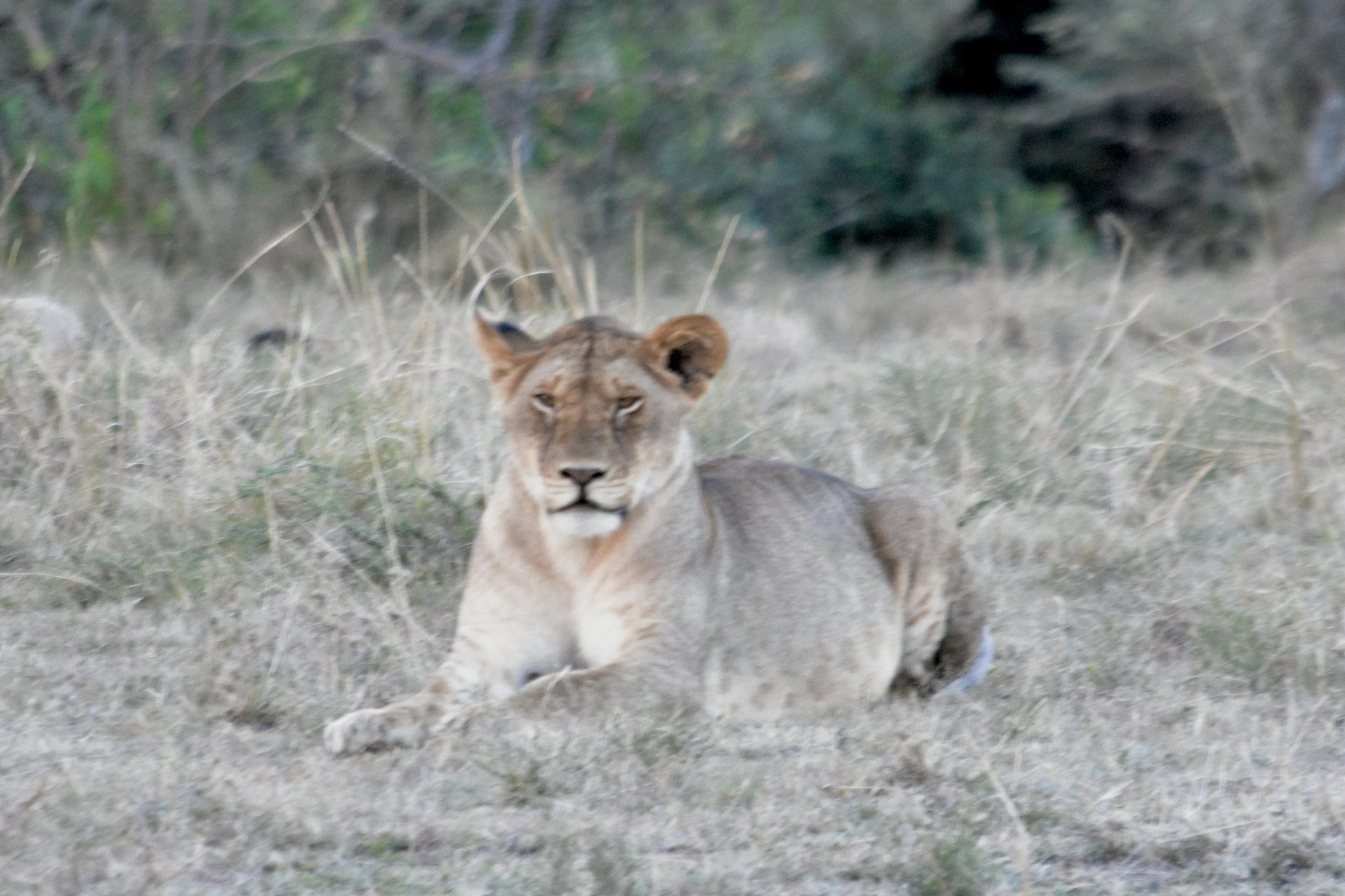
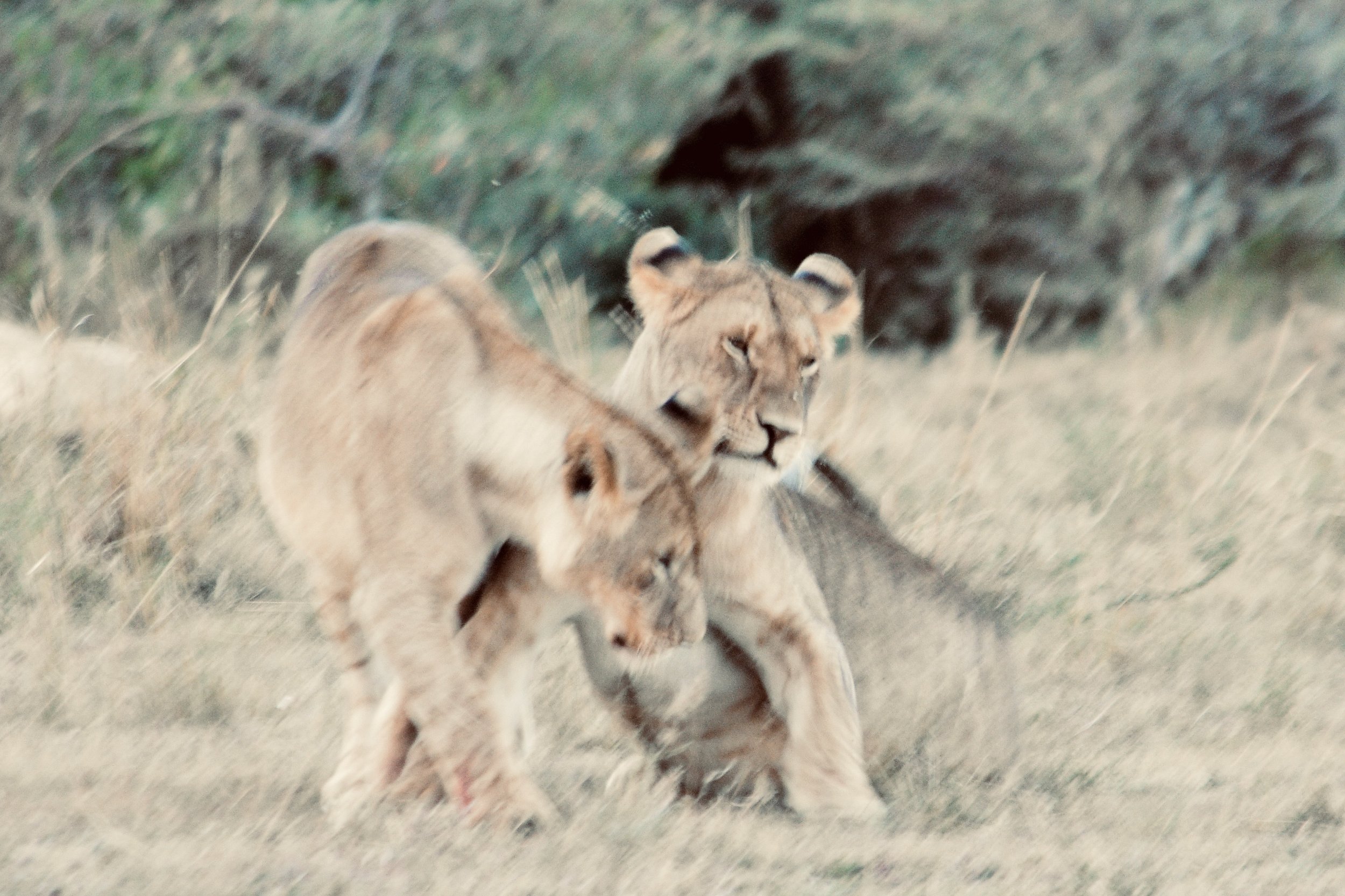
In the afternoon, we went on a game drive. We saw all of the animals of Africa concluding with 45 minutes with three young lions. This place continues to amaze me.
After today, I am reflecting on the connection between people and the land. Spending time in Kenya has made me extra aware of the role humans play in the destruction and the conservation of our national resources - including animals, water, trees and forests. While environmental concerns play out at home, it doesn’t see as desperate or immediate as it does here.
For example, let’s consider trees. Everytime an ICDC opens Africa Exchange and the community plant lots of trees. This is one of the things we will do when we return to Atulelo in May. Tree planting in Kenya arises from urgent environmental concerns. Decades of deforestation have eroded soil, dried rivers, and disrupted ecosystems threatening the parts of the country which produce rain. This national effort traces back to the Green Belt Movement, founded in 1977 by Nobel Peace Prize Winner Wangari Maathai. She mobilized rural women to plant trees as a way to restore land, secure water, and sustain livelihoods. Trees are seen not just as a solution to climate change, but as instruments of dignity, justice, and hope for the land and its people.
There are so many more examples of this environmental resilience. The rhino conservatory we passed yesterday is working to protect these animals from extinction because they are hunted by poachers to sell their horns. We passed research trucks in the Mara tonight who are working to increase lion and cheetah numbers in the Mara and beyond. As hard as the challenges are, I have been grateful to see dedicated people working to change stories and trajectories. This gives me hope.
Until tomorrow,
Eric